Ozempic, Wegovy and other drugs could have a significant effect on the environment. But medicine shouldn’t let an unhealthy and unsustainable food system off the hook.
16% of farmland is used for crops directly for human consumption, the rest is for feed and fuel. We could probably reduce farmland by 70% and still feed ourselves quite comfortably. The land could be used for rewilding and reestablishing biodiversity.
I mean, I don’t want to jump on the lets all quit meat bandwagon, but when you stop feeding livestock, you stop getting fed by them too. And without livestock as a food source, the number of calories that 16% of farmland used for crops will need to produce will go up massively.
Like the other person said. Meat is a pretty land-inefficient way to feed people (not to mention the emissions aspect), but it’s not quite that simple.


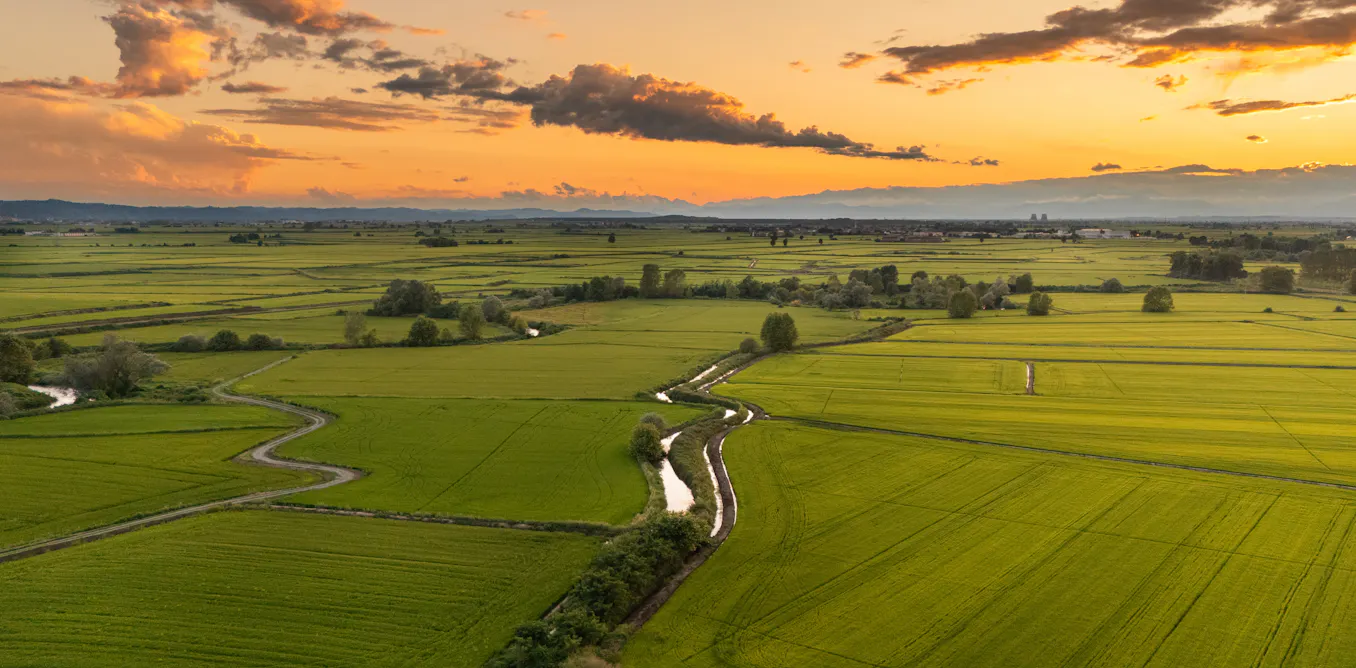
16% of farmland is used for crops directly for human consumption, the rest is for feed and fuel. We could probably reduce farmland by 70% and still feed ourselves quite comfortably. The land could be used for rewilding and reestablishing biodiversity.
I mean, I don’t want to jump on the lets all quit meat bandwagon, but when you stop feeding livestock, you stop getting fed by them too. And without livestock as a food source, the number of calories that 16% of farmland used for crops will need to produce will go up massively.
That’s why they said reduce by 70%. Leaves 30% or 14 percent points additional farmland for human-consumed crops.
Globally, most calories probably don’t come from meat. Meat is much more expensive than bread or rice which are probably the biggest sources.
But still won’t be as high as consuming meat because feeding cattle to then eat is a horribly inefficient use of calories and land.
Like the other person said. Meat is a pretty land-inefficient way to feed people (not to mention the emissions aspect), but it’s not quite that simple.
Or hunting the most dangerous game.
other humans?