Indeed, they’re probably shipping a backtrace symboliser, and since there’s no system-wide equivalent of libc to link against, they’ll be including the entire Rust standard library with the binary too.
My other hunch is the Krisp noise cancellation ML model is a huge chunk of the memory footprint.
I once played around with reverse engineering a Rust program. I compiled the optimized version of the standard “hello world” program which somehow turned into 50,000 lines of assembly.
It looked like it copied over dozens of functions from libc and the data section was filled with every single possible error string “file not found”, “connection timed out”, etc. as if there was a possibility of hello world generating an access denied error.
Was your C hello world program statically linked? I believe Rust includes its libraries whereas the typical hello world does not. Static linkage generally brings in large amounts of unused code.
Rust has static linking, you get the necessary (and some unnecessary) parts of the standard library in your binary instead of the user having to install the library the way you have to have a libc installed. Makes for fatter binaries but much easier compatibility.
Even the guys who invented Electron (developers of the Atom text editor) stopped using it years ago and switched to Rust when writing their new editor, Zed, and its UI framework GPUI (which Discord will be using too).
The price of memory-thing is probably not that important as compared to the AI-assisted coding thing. Making things in Rust when you have access to AI tools is dead simple, which was always the argument for making things in Electron. Porting things from one language to another also happens to be one of the sweet spots for AI coding tools, they thrive on tasks that have very clear specs - an already existing codebase with tests is just about as clear of a spec as you can get.


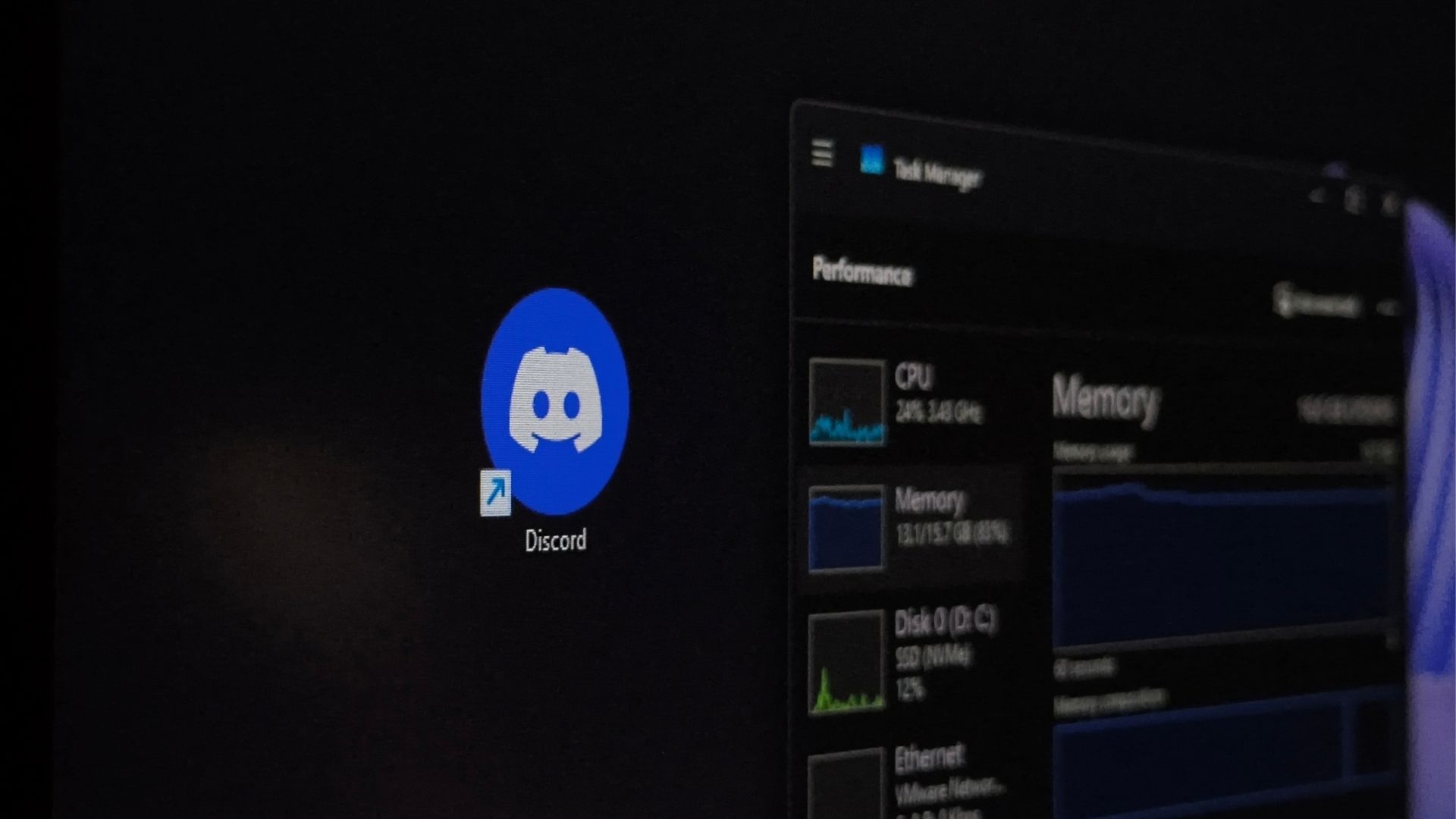
I think that the headline says more about Electron than it does about Rust.
Yeah exactly. “Just” 240 MB, it’s still a lot for a glorified chat app
240 is quite little considering how much media there’s in it
Perhaps it’s vibecoded slop?
I’d be willing to bet $100 that AI assistance was involved in creating this new client, yes.
Similarly I’d bet the same amount that AI assistance was involved in building the former electron-based client
Anything new coming from any non-bootstrapped company is likely slop, and even the bootstrapped deserve a second look
Rust apps seem to always be on the heavy side, maybe depends how much debug info they leave in
Indeed, they’re probably shipping a backtrace symboliser, and since there’s no system-wide equivalent of libc to link against, they’ll be including the entire Rust standard library with the binary too.
My other hunch is the Krisp noise cancellation ML model is a huge chunk of the memory footprint.
Krisp shouldn’t be running when you ain’t on a VC tho, I neve use VCs tbh and still get crazy numbers
I once played around with reverse engineering a Rust program. I compiled the optimized version of the standard “hello world” program which somehow turned into 50,000 lines of assembly.
It looked like it copied over dozens of functions from libc and the data section was filled with every single possible error string “file not found”, “connection timed out”, etc. as if there was a possibility of hello world generating an access denied error.
Was your C
hello worldprogram statically linked? I believe Rust includes its libraries whereas the typicalhello worlddoes not. Static linkage generally brings in large amounts of unused code.Rust has static linking, you get the necessary (and some unnecessary) parts of the standard library in your binary instead of the user having to install the library the way you have to have a libc installed. Makes for fatter binaries but much easier compatibility.
Windows 98 required far less disk space and was a complete operating system - that is if you consider Win98 an operating system…
SP2 was aight
have you seen how much memory a single webpage in chrome uses?
Even the guys who invented Electron (developers of the Atom text editor) stopped using it years ago and switched to Rust when writing their new editor, Zed, and its UI framework GPUI (which Discord will be using too).
Maybe we don’t want to use JavaScript for literally everything.
It’s great to see it. I wonder how much of this push comes from the high price of memory.
The price of memory-thing is probably not that important as compared to the AI-assisted coding thing. Making things in Rust when you have access to AI tools is dead simple, which was always the argument for making things in Electron. Porting things from one language to another also happens to be one of the sweet spots for AI coding tools, they thrive on tasks that have very clear specs - an already existing codebase with tests is just about as clear of a spec as you can get.