MIT researchers developed water-resistant, food-grade microneedles that could be used to vaccinate farmed fish. The technology could help prevent disease outbreaks that cause substantial losses in aquaculture.
While the process is incredibly interesting from a science standpoint it essentially serves to increase the efficency of factory farming. Factory farming is not a sustainable model to feed people and thus making efficency gains only helps to prolong the life of an industrie that destroys our habitats. Fish are suffering inside these farm, they are purposefully starved before they are slaughtered and many die before they are ready for slaughtering additonally many farms require external fish supplies to feed their own fish so the still contribute to the world wide overfishing.
Lab grown meat and salmon seems to be on a good track right now, but still a bit far off for widespread adaption and low cost, until then i guess either a slow controled population decrease (this sounds like killing, this is not what i mean), controlling the obesity crisis by regulating junk food producers which purposefully produce addictive food, focus on a plant based diet, less overconsumption, reducing food waste by throwing less stuff away, abolishing a best before date. Just some (not perfect) examples from the top of my head.
The thing is: A lot of that stuff isn’t going to happen any time soon and factory fishing is happening - it is a reality. Reducing the harm it causes still seems like a net good to me.
I understand where you are coming from, I just think that harm reduction in a system that will still cause harm is the wrong way to achieve change. I guess it is just two different ways to tackle a problem.
If you can figure out a way to get things to actually change, great, but the problem is that doesn’t seem to be happening. Ultimately: Mitigating is better than not mitigating, at least until people find a way to truly shift to a more sustainable means.


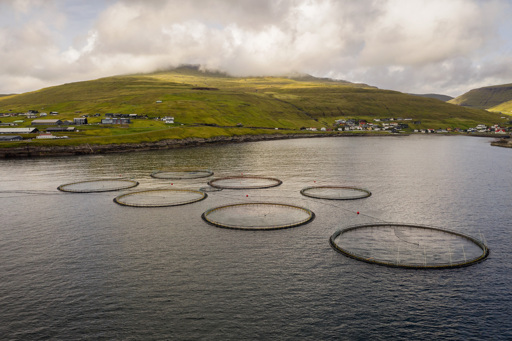
While the process is incredibly interesting from a science standpoint it essentially serves to increase the efficency of factory farming. Factory farming is not a sustainable model to feed people and thus making efficency gains only helps to prolong the life of an industrie that destroys our habitats. Fish are suffering inside these farm, they are purposefully starved before they are slaughtered and many die before they are ready for slaughtering additonally many farms require external fish supplies to feed their own fish so the still contribute to the world wide overfishing.
Ok, so what is a sustainable way of feeding everybody?
A plant based diet would reduce our land use by 75% so that seems like a good place to start
Lab grown meat and salmon seems to be on a good track right now, but still a bit far off for widespread adaption and low cost, until then i guess either a slow controled population decrease (this sounds like killing, this is not what i mean), controlling the obesity crisis by regulating junk food producers which purposefully produce addictive food, focus on a plant based diet, less overconsumption, reducing food waste by throwing less stuff away, abolishing a best before date. Just some (not perfect) examples from the top of my head.
The thing is: A lot of that stuff isn’t going to happen any time soon and factory fishing is happening - it is a reality. Reducing the harm it causes still seems like a net good to me.
I understand where you are coming from, I just think that harm reduction in a system that will still cause harm is the wrong way to achieve change. I guess it is just two different ways to tackle a problem.
If you can figure out a way to get things to actually change, great, but the problem is that doesn’t seem to be happening. Ultimately: Mitigating is better than not mitigating, at least until people find a way to truly shift to a more sustainable means.